
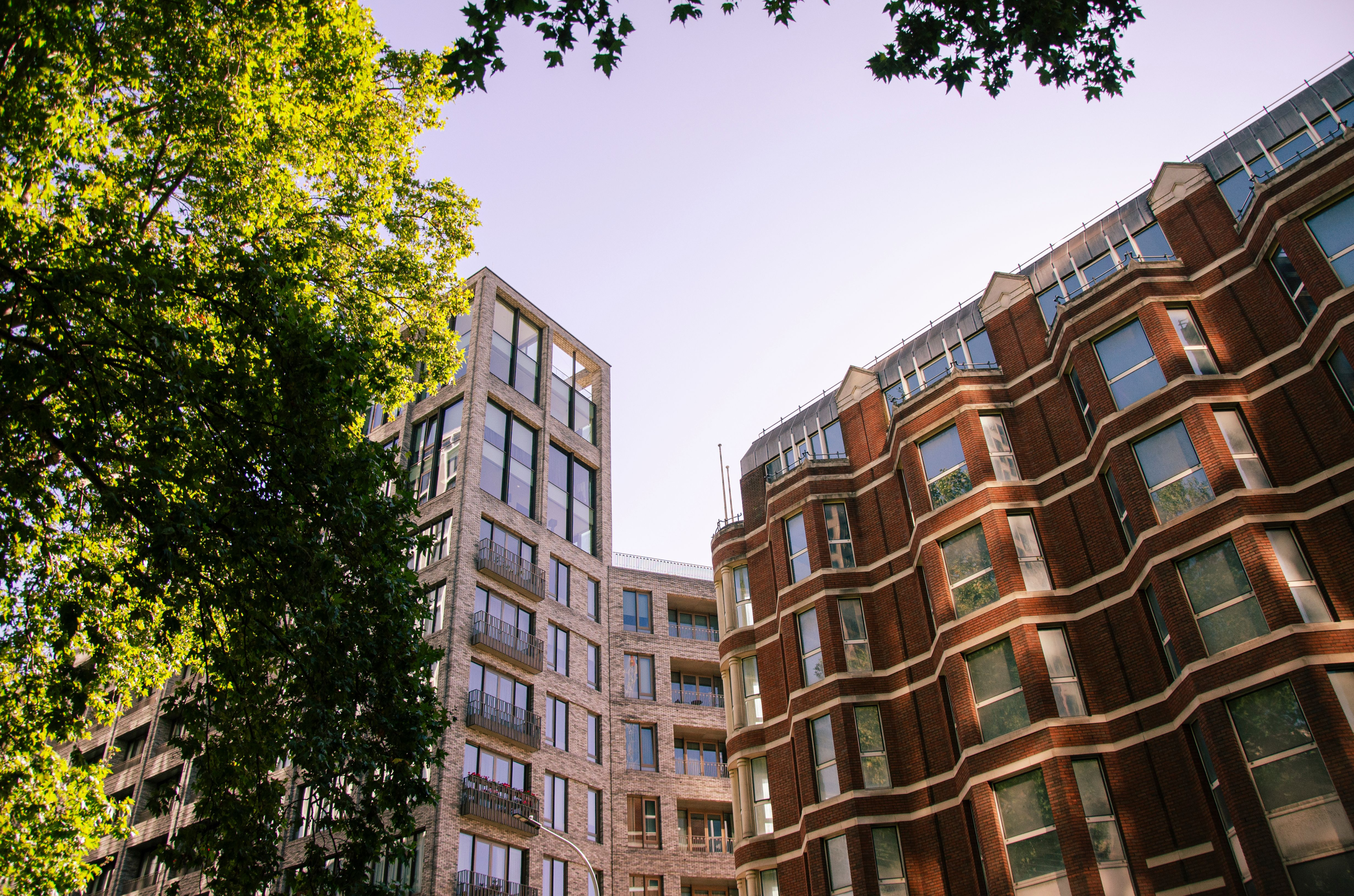
Quick Answer: All-inclusive apartments vs. traditional rent comes down to predictability versus control. All-inclusive rent folds electricity, water, and trash into one flat payment, so your bill never swings with the seasons. Traditional rent separates those costs, which can save low-usage renters money but adds setup work and monthly variability.
Picking between the two isn't just about the sticker price on a listing. It's about how much budget certainty you want versus how much control you want over your own usage. If you're weighing floor plans near UTSA and the La Cantera corridor, the math below should make the decision a lot less confusing.
What to Look For in Rent With Utilities Included
Rent with utilities included sounds simple, but the fine print varies a lot by property. Some communities bundle only water, sewer, and trash. Others fold in electricity up to a set cap, then bill you for anything above it. Always ask exactly which services are covered and whether there's a usage ceiling before you compare the number to a traditional lease.
Look past the headline rent figure. A unit advertised at $1,350 all-inclusive and one advertised at $1,150 plus utilities can land at nearly the same real cost once you add up electric, water, and internet. Ask for a written breakdown of what's bundled, not a verbal promise, and get it added to the lease itself.
Ask about renewal terms too. Some communities lock the bundled utility rate for the full lease term, while others reserve the right to adjust it annually based on rising energy costs. A property that discloses this upfront is usually more transparent than one that leaves the topic out of the lease entirely. Texas summers push cooling costs higher than much of the country, so this detail matters more here than it might in a milder climate.
It also helps to check what happens if you use more than the average. Some all-inclusive setups charge a flat overage fee once usage crosses a threshold, particularly for electricity during peak summer cooling months. A resort-style community with a pool and fitness center, like the amenities at Onyx at Oslo, is worth comparing on this front too, since shared common-area utilities are already baked into the rent either way.
Are All-Bills-Paid Apartments Actually Cheaper Than Traditional Rent?
Sometimes, but not automatically. All-bills-paid apartments trade a possibly lower base rent for cost certainty, while traditional rent can reward a renter who keeps the thermostat modest and skips a second TV. The real answer depends on your household size, your climate, and how closely you track usage.
Energy costs are the biggest swing factor. The U.S. Energy Information Administration reported that the average monthly electric bill for U.S. residential customers was $144 in 2024, though that figure moves a lot by state and by season. A one-person apartment with modest AC use might land well under that number on a traditional lease, while a shared unit running central air all summer could land above it.
The table below breaks down the core tradeoffs side by side.
| Factor | All-Inclusive Rent | Traditional Rent |
|---|---|---|
| Monthly cost predictability | Fixed number, same every month | Varies with weather and usage |
| Setup effort | None, one bill to manage | Requires opening separate accounts |
| Best for | Renters who want budget certainty | Renters who conserve energy and want control |
| Risk | Can cost more if you use very little | Can spike hard during summer or winter |
The U.S. Census Bureau actually built this exact comparison into how it tracks housing costs nationally. Its American Community Survey reports what it calls gross rent, defined as the contract rent plus the estimated average monthly cost of utilities and fuels when the renter pays them directly. In other words, even the federal government treats "rent plus utilities" as the only fair way to compare one apartment to another. That's the same logic worth applying when you look at Onyx at Oslo or any other community on your shortlist.
How to Find Cheap Apartments With Utilities Included
Start by asking the leasing office for a full line-item list, not a summary. You want to know if water heating, trash, pest control, and internet are included, or just water and sewer. Communities that advertise cheap apartments with utilities included sometimes mean only the basics are bundled, so read the lease addendum closely before you sign.
Compare the total monthly outlay, not the base rent. Add your estimated electric bill, renters insurance, and any parking or pet fees to a traditional lease's rent, then stack that number against the all-inclusive quote. The U.S. Department of Housing and Urban Development uses a similar principle when it defines cost-burdened households: housing is considered unaffordable once a renter spends more than 30 percent of gross income on rent plus utilities combined, based on HUD's long-standing affordability threshold. Run your own numbers through that lens before committing to either option.
Timing matters too. Utility costs swing seasonally, so a lease signed in October won't show you what a July electric bill actually looks like. If you can, ask the property for a range of past resident utility bills across different months, not just an average.
Roommates change the math as well. Splitting an all-inclusive lease three ways often beats splitting a traditional lease plus three separate utility shares, mostly because there's only one bill to divide instead of four. If you're moving in with roommates for the first time, that simplicity alone can be worth a slightly higher per-person rent, especially when nobody wants to chase down a housemate for their share of the electric bill every month.
Frequently Asked Questions
1. Does rent include utilities at every apartment complex?
No. Whether rent include utilities depends entirely on the property. Some bundle everything, some bundle nothing, and many fall in between with water and trash included but electricity billed separately. Always confirm in writing before you sign, since verbal assurances from a leasing agent don't hold up later.
2. What should I ask before renting an apartment complex with utilities included?
Before signing, ask these questions:
- Which specific utilities are bundled, and which are billed separately?
- Is there a usage cap or overage fee once consumption crosses a threshold?
- Does the bundled amount ever change at lease renewal?
- Are internet and trash pickup included, or just water and sewer?
Getting these answers in writing protects you from surprise charges later.
3. Are apartments with all utilities included worth the higher base rent?
It depends on your usage habits. Apartments with all utilities included tend to carry a higher sticker price, but they remove the guesswork of budgeting for summer AC spikes or winter heating costs. Renters with unpredictable schedules or multiple roommates often find the flat rate worth the premium.
4. How do I find apartments near me with utilities included?
Search property listings and filter specifically for bundled utilities, since not every site labels this clearly. Call leasing offices directly and ask them to confirm what's covered rather than relying on the listing description alone, then request the utility breakdown in writing before you tour.
5. What do utilities included apartments typically cover?
Utilities included apartments most commonly bundle water, sewer, and trash removal, since those costs stay fairly steady month to month. Electricity and gas are less commonly included because usage varies so much by resident. Internet is sometimes offered as a separate add-on package rather than a true utility.
Conclusion
All-inclusive apartments vs. traditional rent isn't a question with one universal winner. It comes down to whether you'd rather pay a flat number every month or take on some risk in exchange for potential savings. Tour a few communities, ask for the full utility breakdown in writing, and compare the real monthly total, not just the advertised rent. If you're apartment hunting near UTSA, start by checking the neighborhood and map details for Onyx at Oslo to see how the commute and local costs stack up before you decide.