
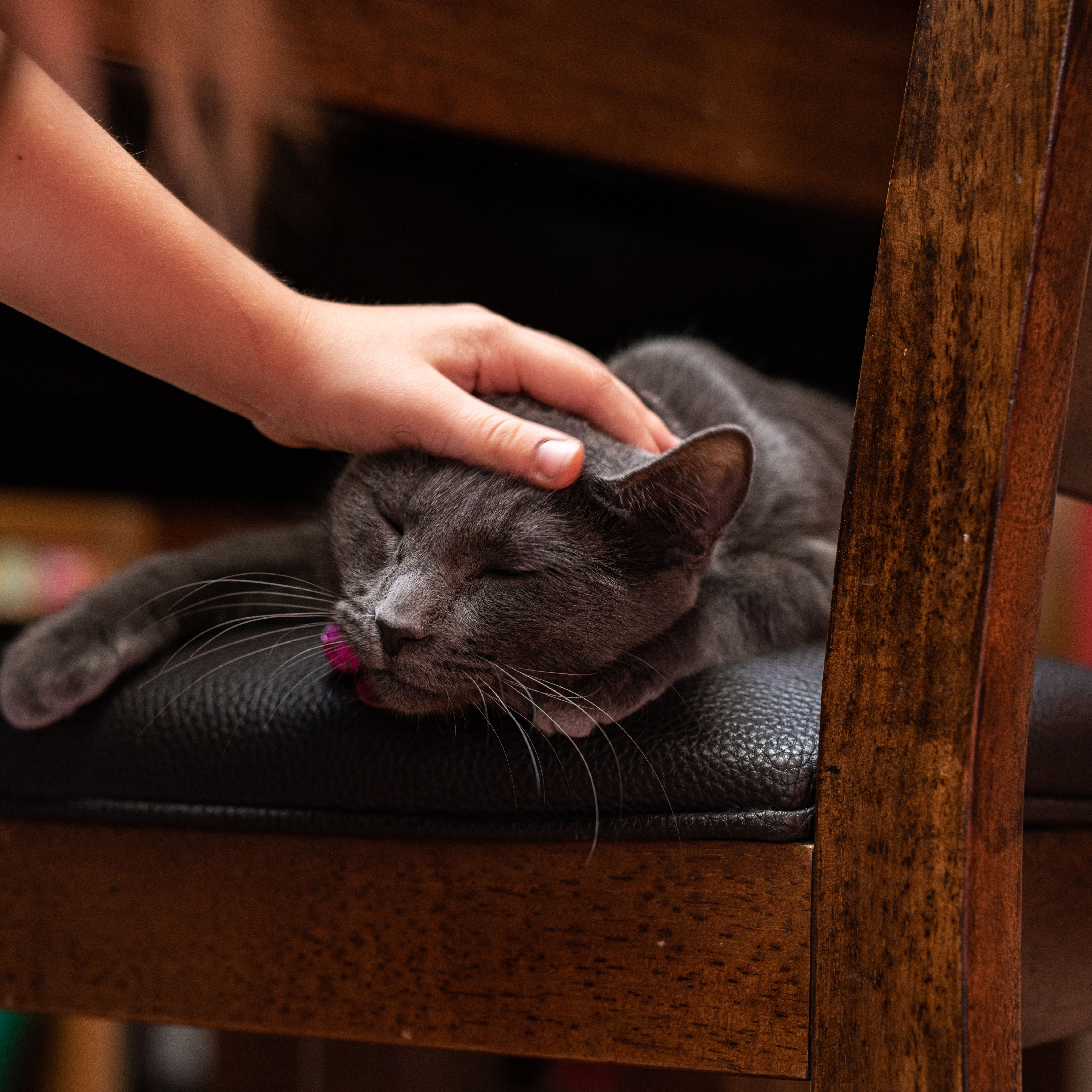
Quick Answer: Moving into an apartment with a pet takes roughly four weeks of prep. Confirm the community's pet rules in writing, update your animal's microchip registry and vaccination records, set aside a quiet room for moving day, then rebuild feeding and walking routines during the first week.
Pets complicate a move more than most renters expect. Onyx at Oslo serves the La Cantera and Loop 1604 corridor of northwest San Antonio, and renters moving into an apartment with a pet here hit the same snags everyone else does: vague pet rules, missing vet paperwork, and a chaotic move-in day. Sort those out early and the rest is scheduling.
What Does Moving Into an Apartment with a Pet Actually Require?
Three things: written confirmation of the community's pet rules, current vaccination and microchip records, and a plan for where your animal sits while movers work. Federal law treats pets and assistance animals differently, so your fee structure depends on which one you have. Everything after that is logistics.
Most renters get burned on the first item. A leasing agent calls the community pet friendly over the phone, nobody mentions the weight cap, and the restriction surfaces in the addendum. Ask for that addendum before you pay an application fee, because moving with pets gets expensive fast once you're already committed.
How Do You Read an Apartment Pet Policy Before You Sign?
Before moving into an apartment with a pet, read the paperwork twice. Treat the apartment pet policy as three separate documents: the lease pet addendum, the community rules, and the fee schedule. The addendum binds you legally, naming weight limits, breed exclusions, the maximum number of animals per unit, and where your dog can relieve itself on the property.
Comparing Pet Friendly Apartments on More Than the Photos
Every community defines it differently. Some pet friendly apartments allow two animals with no weight cap. Others allow one cat and no dogs at all. The dog park in the listing photos tells you nothing about the breed list.
Fees come in three shapes, and they stack. A one-time pet fee is usually non-refundable, a pet deposit is refundable minus damage, and monthly pet rent is charged per animal for the life of the lease. Ask which combination applies and get the numbers in writing, since they vary by property and lease term. While you're comparing, check the community amenities list for a wash station or fenced run.
Questions to Ask About Pet Friendly Rentals
Typing pet friendly rentals near me into a search bar returns hundreds of listings, and almost none of them publish the restricted breed list. That list is where applications die. Ask for it by name.
Two more questions worth asking about pet friendly rentals: does the community require a third-party pet screening profile, and is there a cap on how long an animal can be left alone?
Assistance animals sit outside all of this. Under the Fair Housing Act an assistance animal is not a pet, and HUD's guidance for housing providers lists waiving a pet deposit or fee as a reasonable accommodation request.
| Question | Pet | Assistance animal |
|---|---|---|
| Treated as a pet under the Fair Housing Act | Yes | No |
| Pet fee, deposit, or monthly pet rent | Permitted | Waiver may be requested as an accommodation |
| Breed and weight restrictions | Permitted | Provider assesses the specific animal |
| Grounds for refusal | Provider's policy | Undue burden, fundamental alteration, direct threat, or significant property damage |
What Should Your Checklist for Moving Look Like?
Moving into an apartment with a pet works best planned backward from the lease start date, in three blocks: four weeks out for paperwork, moving day for containment, and the first week for routine. That sequence matters because vet appointments and registry updates have lead times you can't compress once the truck is booked.
Four Weeks Out: Paperwork and Apartment Moving Logistics
Book the vet visit now and ask for a printed vaccination history plus a rabies certificate. Then handle the microchip registry yourself, since that account is separate from anything your vet holds.
Crossing state lines? Here's what most moving guides get wrong. USDA APHIS pet travel guidance states the agency does not regulate owner-moved pets between states. Your destination state or territory sets the health certificate and vaccination rules, so check there rather than assuming a federal standard applies.
Apartment moving with animals also changes how you hire. If you're using an interstate mover, FMCSA's Protect Your Move program recommends collecting estimates from at least three companies and confirming each is registered with a USDOT number. Check the available floor plans in advance so you know which room becomes the quiet room.
Moving Day: Moving Animals Without a Panic
Move-in day is where moving into an apartment with a pet usually goes wrong. Boarding your animal is the cleanest option. If that isn't practical, moving animals safely comes down to one closed door with a sign taped to the outside so no mover opens it.
Pack a go-bag separately. Ready.gov's pet preparedness checklist suggests keeping these accessible rather than buried in a box:
- Several days of food and water, plus bowls
- Any regular medication in a waterproof container
- A backup collar with an ID tag, harness, and leash
- Copies of registration and vaccination records
- A photo of you together, which documents ownership if you get separated
The First Week: Moving With Cats Takes Longer
Cats settle by territory, dogs settle by routine. Keep your cat in that one room for the first few days, then open the door and let the animal expand on its own schedule. Hiding and skipped meals are normal early on.
Dogs need the opposite. Get back on the old feeding and walking clock immediately, and walk the property on leash so the animal learns the route to the door. Barking spikes in week one because apartment sound carries differently. Tell your neighbors your dog is adjusting and leave a number.
Find the closest emergency vet before you need one. The neighborhood map and directions page orients you to the surrounding streets.
Frequently Asked Questions
1. How long does it take a cat to adjust to a new apartment?
Most cats need one to two weeks before they use the whole unit comfortably, and some take longer. Start with a single closed room, then widen access gradually. Return to normal feeding times immediately, since routine restores faster than territory does.
2. Do I need a health certificate to move my pet to another state?
It depends on the destination. USDA APHIS does not regulate pets moved interstate by their owners, so the receiving state or territory sets any health certificate, vaccination, or testing requirement. Check that state's animal health office before you travel, not after you arrive.
3. What should I do with my dog on moving day?
Board the dog, or leave the animal with someone off-site. If neither works, pick one room, close the door, and leave the carrier open inside with food, water, and something unwashed that smells like you. Propped exterior doors are how animals slip out.
4. How do I update my pet's microchip information after a move?
Log in to the registry that issued the chip and change the address and phone number there. The chip itself stores only a number, so a vet visit does not update it. Ready.gov also recommends adding an emergency contact who lives outside your immediate area.
5. Can a landlord charge a pet deposit for an emotional support animal?
Under the Fair Housing Act, an assistance animal is not a pet, and HUD lists waiving a pet deposit or fee as an example of a reasonable accommodation. A provider may still request reliable disability-related information when the need isn't apparent, and may deny a request on these grounds:
- An undue financial or administrative burden on the provider
- A fundamental alteration of the provider's operations
- A direct threat to the health or safety of others
- Significant physical damage to the property of others
Conclusion
Moving into an apartment with a pet is mostly a paperwork problem wearing a logistics costume. Get the pet addendum in writing, update the microchip registry, check your destination state's rules if you're crossing a line, and reserve one quiet room for the day itself. Do those four things and your animal will be settled in the northwest San Antonio corridor before your own boxes are unpacked.