Onyx at Oslo Blog | UTSA Student Housing Tips, San Antonio Neighborhood Guides & Community News

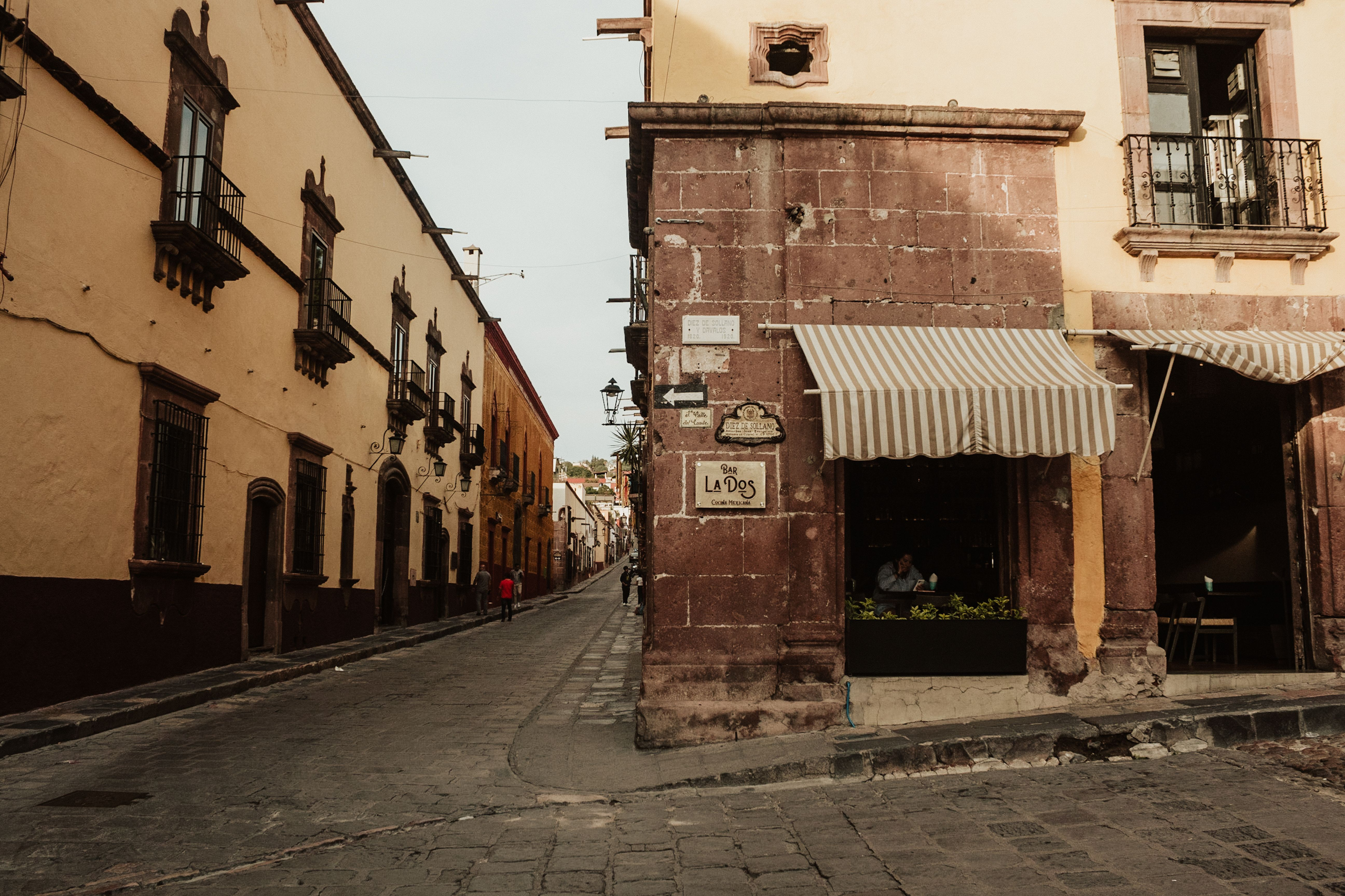
Top Tips for a Smooth Moving Experience in Urban Areas-image

Quick Answer: Moving in an urban area takes extra planning because of traffic, parking, building access, and tighter spaces. The smoothest moves usually start early, stay organized, and account for the logistics of city living. Whether you are moving across town or arriving from another city, the goal is the same: reduce stress and get settled quickly. A smart plan can help you avoid delays and make move-in day feel much more manageable. 1. Start Planning Early The first step in any smooth move is starting early. Urban moves often require extra coordination, especially if you need to reserve parking, schedule elevators, or work around building rules. Giving yourself more time helps prevent last-minute problems. Create a moving timeline that includes packing, utility setup, address changes, and moving day details. Breaking the process into smaller steps makes it feel easier and keeps everything on track. A good plan is one of the best tools for reducing stress. At Onyx at Oslo Apartments, planning ahead can also help you make the most of move-in day by knowing exactly what needs to happen and when. 2. Declutter Before You Pack Before you start boxing everything up, sort through your belongings and decide what you really need to keep. Moving is the perfect time to donate, sell, or discard items you no longer use. The less you move, the easier your entire experience will be. Decluttering is especially helpful in urban areas because apartment space is often limited. When you move into a new apartment, you will likely appreciate having fewer boxes and less clutter from the start. This step can also save money if you are hiring movers or renting a truck, since fewer items usually means a faster and simpler move. 3. Pack in a Smart Way Smart packing can make a huge difference on moving day. Use sturdy boxes, label everything clearly, and keep similar items together. It also helps to pack an essentials bag with items you will need right away, such as toiletries, chargers, medications, and a change of clothes. In urban areas, narrow hallways, stairs, and small elevators can make oversized boxes harder to handle. Smaller, well-labeled boxes are often easier to move and unpack. That kind of organization saves time later, too. Try to keep fragile items well protected and avoid overpacking boxes so they are easier to carry. 4. Measure Furniture and Doorways One of the biggest moving mistakes is assuming furniture will fit without checking first. Before moving day, measure your large pieces and compare them with doorways, hallways, and elevator openings. That way, you can avoid awkward delays or damage. This is especially important in urban apartments where space may be tighter than in other settings. Even if your furniture fits in the truck, it still needs to fit into the apartment itself. A quick measurement can save a lot of frustration. If a piece looks too large, plan the route in advance so you know the best way to bring it inside. 5. Understand Parking and Building Access Parking can be one of the trickiest parts of a city move. Before moving day, find out where the truck or moving vehicle can park and whether there are any restrictions. Some buildings also require a reservation for loading areas or elevator access. Knowing these details ahead of time keeps the move from getting delayed. It also helps movers work more efficiently if they know exactly where to go. City traffic can create enough stress on its own, so building access should not be left to chance. If you are moving to Onyx at Oslo Apartments , confirming access instructions in advance can make the move much smoother. 6. Keep an Essentials Box Ready An essentials box is one of the most helpful parts of a moving plan. This should include the items you need during the first 24 hours in your new apartment, such as clothes, toiletries, snacks, phone chargers, and important documents. Having these things close by saves time and stress after you arrive. In an urban move, boxes may arrive in stages or take longer to unpack because of building logistics. Your essentials box gives you immediate access to what matters most. It also helps you avoid digging through every box on the first night. Keep this box with you rather than loading it at the back of the truck. 7. Set Up Utilities Before Move-In Another important step is making sure your utilities are ready before you move. Electricity, internet, and any other required services should be scheduled ahead of time so your apartment is ready when you arrive. A smooth move-in feels much better when the basics are already in place. Urban areas sometimes have provider schedules or setup delays, so early planning matters. If you wait too long, you may end up without internet or power when you need it most. Checking this off your list early will make your first few days much easier. It is also a good time to confirm your new address details for billing and deliveries. 8. Know the Neighborhood Before you move, learn a little about the neighborhood around your new apartment. Find nearby grocery stores, pharmacies, coffee shops, and other essentials so you are not scrambling after arrival. Knowing the area helps you settle in faster and feel more comfortable. Urban areas often have plenty of options, but they can also be busy or unfamiliar at first. A quick neighborhood check can help you understand traffic flow, walking routes, and where to park or unload. That knowledge is especially useful when you are arriving with a truck or moving crew. Getting familiar with the area around Onyx at Oslo Apartments can make your transition feel much more natural. 9. Clean Before You Unpack If possible, clean your new apartment before unpacking everything. Starting with a clean space makes the rest of the move easier and more pleasant. It also gives you a chance to check that everything looks good before your furniture is in place. In urban apartments, where space may be limited, unpacking into a clean environment helps you stay organized. It also makes it easier to decide where everything should go as you settle in. Even a quick wipe-down can make a big difference in how comfortable the apartment feels on day one. 10. Unpack in Order Once you arrive, unpack the most important rooms first. The bedroom, bathroom, and kitchen usually matter most because they help you feel settled right away. After that, you can move on to storage, decor, and less urgent items. Trying to unpack everything at once can make the apartment feel chaotic. A room-by-room approach is usually calmer and more efficient. It also helps you avoid clutter while you are still figuring out your new layout. Taking your time and unpacking in stages can make your new apartment feel livable much sooner. Featured Snippet Style Definition What are the top tips for a smooth moving experience in urban areas? The best tips are to plan early, declutter, pack smart, measure furniture, understand parking and building access, set up utilities, and unpack in an organized way. Step-by-Step Guide Make a moving timeline early. Declutter before packing anything. Label boxes and pack an essentials bag. Measure large furniture and doorways. Confirm parking and building access details. Set up utilities before move-in. Unpack the most important rooms first. Comparison Table Moving Tip Why It Helps Best For Plan early Reduces stress and delays Busy urban moves Declutter Cuts down on packing and moving time Small apartments Measure furniture Prevents fit issues Tight spaces and elevators Prepare essentials box Keeps key items easy to access First night in new apartment FAQ What makes moving in urban areas harder? Traffic, parking, elevator access, and tighter spaces can make city moves more complicated. How early should I start planning my move? Start planning as early as possible so you have time to organize, pack, and handle logistics. Why should I declutter before moving? Decluttering lowers moving stress, reduces boxes, and can save time and money. What should go in an essentials box? Pack items like toiletries, chargers, documents, snacks, clothes, and basic medications. Why is measuring furniture important? It helps you avoid situations where furniture does not fit through doors, halls, or elevators. Conclusion A smooth moving experience in an urban area comes down to preparation and organization. If you plan early, pack smart, check access details, and unpack in stages, your move will feel far less stressful and much more manageable.

Read more
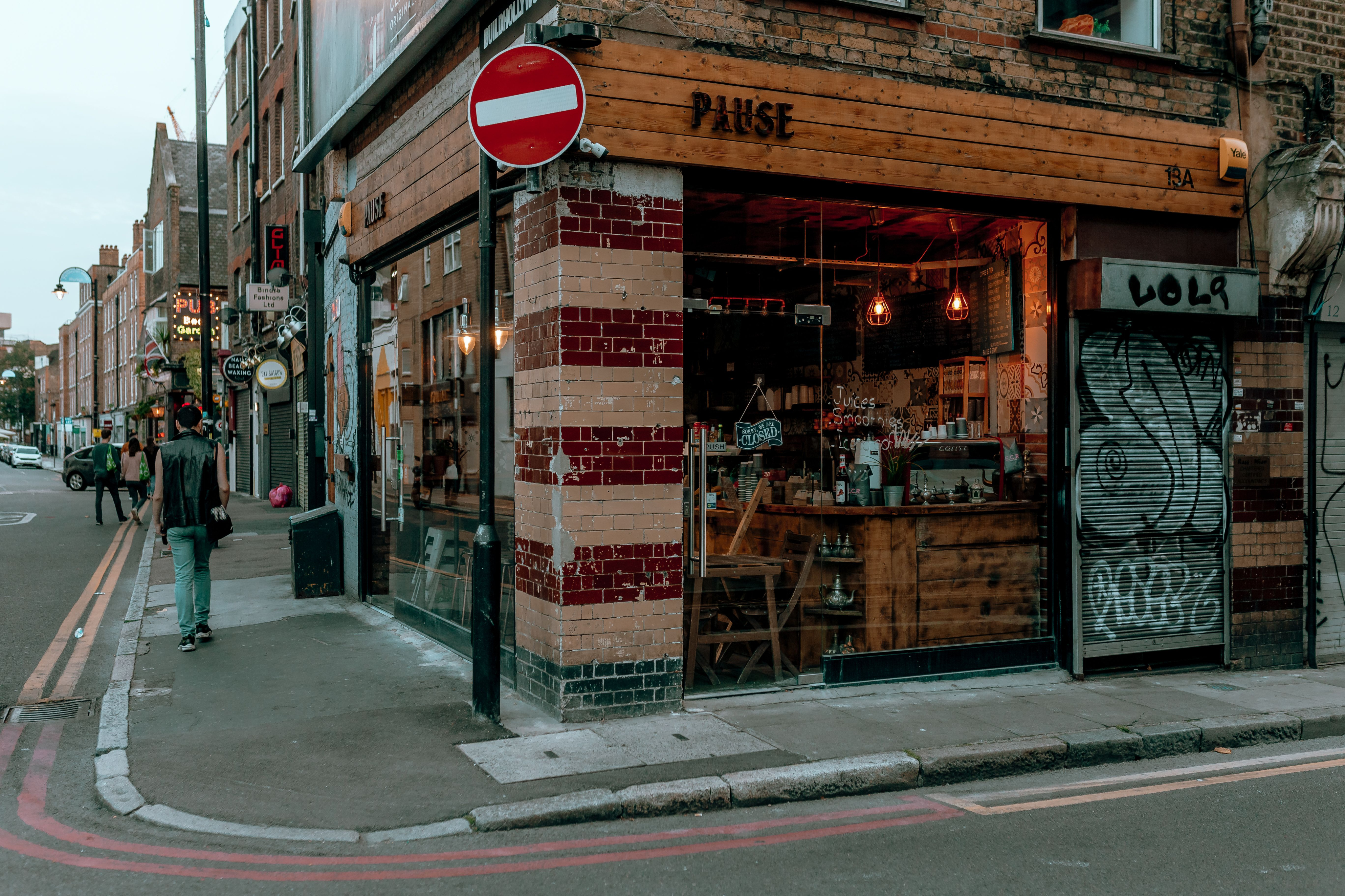
Can a Realtor Help You Find an Apartment? Clear Guide for Renters-image

Can a Realtor Help You Find an Apartment? Quick Answer: Yes, a Realtor can help you find an apartment. In many rental markets, Realtors help renters search listings, schedule showings, compare options, and sometimes explain lease terms or connect them with the right property manager. A lot of people think Realtors only help with buying and selling homes, but that is not always true. In many cases, a Realtor can also help you find an apartment, especially if you want guided support instead of searching alone. This can be useful if you are moving to a new city, comparing several communities, or trying to find a place quickly. What a Realtor Can Do for Apartment Search A Realtor can help with apartment search in several practical ways. They may look for available rentals, filter results based on your budget and location, and help you compare apartment communities that fit your lifestyle. In some cases, they can also help you schedule tours, communicate with leasing offices, and explain the rental process in plain language. If you are not familiar with the area, this can make a big difference. A Realtor may know which neighborhoods are convenient, which communities are best for your budget, and which properties are likely to move quickly. Instead of spending hours sorting through listings, you can focus on a smaller group of options that are actually worth considering. That kind of support can be especially helpful in a competitive market. When good apartments disappear quickly, having someone who understands the local rental scene can save time and reduce stress. Realtor for Rentals vs Rental Agent People often use the terms Realtor for rentals, rental agent, and apartment Realtor as if they mean the same thing. In reality, they are closely related but not identical. A Realtor is a licensed real estate professional who is also a member of the National Association of Realtors. A rental agent is a broader term for someone who helps people find rental housing. In practice, one person can be both. What matters most is whether the person understands rental housing well and can help you find the right apartment efficiently. Some Realtors specialize mostly in home sales, while others regularly work with renters. If you need apartment help, it is smart to ask how often they work with rentals before you decide to use them. Do Realtors Help Renters? Yes, Realtors do help renters, although the level of support depends on the market and the individual professional. Some Realtors work with renters often, while others focus mainly on buyers and sellers. A Realtor who works with rentals may help you search for apartments, compare floor plans, and understand lease basics. They may also assist with showings or help you move faster if you are trying to secure a unit in a competitive market. If you are relocating, that can be especially helpful because you may not have time to visit every community yourself. That said, you should not assume every Realtor specializes in rental housing. If you want rental support, ask directly whether they help apartment seekers and whether they regularly work with renters in your area. That simple question can save time and help you avoid choosing the wrong type of professional. When Using a Realtor Makes Sense Using a Realtor for apartment search makes the most sense when your search is more complicated than a basic online search. For example, if you are moving from another city, need a pet-friendly apartment, or want help comparing several communities, a Realtor can make the process easier. They can also be useful if you want someone to help you understand the difference between apartment layouts, amenities, commute times, and lease terms. This can be helpful for first-time renters, busy professionals, or anyone who wants more guidance. If you are researching a specific community, it helps to start with its official website before speaking with anyone. For example, the Onyx at Oslo homepage gives you a general overview, while the floor plan page helps you compare unit types and layouts. That way, your conversation with a Realtor becomes more focused and productive. You are not starting from zero, and the search becomes easier to narrow down. How Realtors Help You Find an Apartment Faster One of the biggest advantages of using a Realtor is speed. In a strong rental market, good apartments can disappear quickly. A Realtor can help you move faster by narrowing your options and focusing on units that match your needs. They may also know about listings before you find them on your own, or they may already have relationships with local leasing teams. That can save time and reduce stress. Instead of contacting many properties separately, you can let one professional help organize the search. This is especially useful if you have a short move-in timeline. A Realtor can keep the process moving by helping with tours, follow-ups, and any questions you have about availability. What Renters Should Expect If you work with a Realtor to find an apartment, you should expect a search process that starts with your needs. They will likely ask about your budget, preferred neighborhoods, number of bedrooms, move-in date, and other important details. They may also ask whether you want a pet-friendly property, reserved parking, washer and dryer access, or specific amenities. The more specific you are, the easier it is for them to filter options. You should also expect clear communication. A good Realtor should explain whether they specialize in rentals, how they search, and what the next steps will be. If something is unclear, ask questions before moving forward. Apartment Search in the USA Apartment search in the USA can vary a lot depending on the city and neighborhood. In some places, rentals are easy to find online. In others, the market is competitive and apartments get leased quickly. That is why some renters prefer using a Realtor. A Realtor can help you navigate local conditions and focus on apartments that fit your situation. If you are moving to a city you do not know well, this can be a big advantage. In places with many rental options, you may be able to search on your own. But if you want help filtering choices, comparing neighborhoods, or saving time, a Realtor can still be useful. Rental Agent vs Realtor A rental agent vs Realtor comparison comes down to focus and service style. A rental agent usually concentrates on helping people find places to rent. A Realtor is a licensed real estate professional who may help with rentals, sales, or both. Some people prefer a Realtor because they want someone tied to a known professional organization. Others just want a rental expert who knows the market well. Both can work, as long as the person is knowledgeable and responsive. If you are deciding between the two, the most important question is not the title. It is whether the person regularly helps renters and understands the apartment market you are searching in. How to Search for an Apartment with a Realtor If you want to find an apartment with a Realtor, start by telling them exactly what you need. Share your budget, location preferences, move-in date, and must-have features. If you already have communities in mind, share those too. For example, if you are considering Onyx at Oslo, you can start with the main website and then review the floor plans to understand what unit types are available. This gives your Realtor a better sense of what kind of apartment you want. After that, the Realtor can help you compare similar places, arrange tours, and narrow the list down to the best choices. This makes the search more efficient and helps you avoid wasting time on apartments that do not match your needs. Questions to Ask Before Working with a Realtor Before choosing a Realtor for apartment search, ask a few simple questions. Do they regularly help renters? Which neighborhoods do they know best? Have they worked with apartment communities like the one you want? You should also ask whether they work with both rentals and sales, and whether they charge any fees for their service. In some cases, the rental side of the business works differently from home buying and selling, so it is good to understand that up front. These questions help make sure you are working with someone who is actually a good fit for your search. A professional with rental experience can save you time and confusion. Common Mistakes Renters Make One common mistake is assuming all Realtors specialize in apartment search. That is not true. Some mainly handle home sales and may not be the best choice for rentals. Another mistake is waiting too long to start the search. If you need to move soon, the best apartments may get taken quickly. Starting early gives you more choices and less pressure. A third mistake is not preparing documents ahead of time. Many apartments require proof of income, identification, and rental history. If you already have those ready, you can act faster when you find the right place. Why Online Research Still Matters Even if you use a Realtor, online research still matters. Before contacting anyone, it helps to look at apartment websites, floor plans, photos, and community details. For Onyx at Oslo, you can begin with the main homepage and then review the floor plan page to understand layouts and options. That way, you can compare the property with other apartments more easily. A Realtor can then help you use that information in a more targeted search. This combination of online research and professional help often works best. You get the efficiency of web search and the local insight of a real estate professional. When You May Not Need a Realtor Not every renter needs a Realtor. If you are in a smaller market, have plenty of time, and are comfortable searching online, you may be able to find an apartment without outside help. This can be especially true if you already know the city and understand the neighborhoods. Still, even when you do not need a Realtor, one can be helpful if you want to compare options faster or get advice on lease terms. The real question is whether the added support is worth it for your situation. External Authority Mentions For broader rental guidance, major real estate and rental platforms often note that agents and Realtors can help with apartment searches, especially in competitive markets or when renters need local support. That aligns with the broader view that a Realtor can be useful for renters, but is not required for every apartment search. The most important thing is to choose the method that fits your timeline, budget, and comfort level. How This Connects to Onyx at Oslo If you are exploring apartment living in San Antonio , the best approach is to start with the property itself and then decide whether you want outside help. The Onyx at Oslo homepage is a good place to learn about the community, and the floor plan page helps you compare layout options before you make a decision. That structure makes apartment search easier for renters and easier for Realtors too. When you already know what you like, the search becomes faster, cleaner, and more focused. That is why a little research first can make a big difference. Featured Snippet Style Definition A Realtor can help you find an apartment by searching listings, scheduling tours, comparing options, and sometimes assisting with lease details. This is especially useful for renters who are moving to a new area, searching in a competitive market, or trying to narrow down the best apartment quickly. Step-by-Step: How to Use a Realtor for Apartment Search Set your budget and move-in date. Decide which neighborhoods or areas you want. List your must-have features, such as pets, parking, or washer and dryer. Share your preferences with the Realtor. Review apartment options and floor plans together. Tour the best matches. Apply quickly when you find the right apartment. Comparison Table Option Best For Main Benefit Main Limitation Realtor Renters who want guided help Local support and time savings Not all Realtors specialize in rentals Rental agent People focused on rentals only Rental-specific knowledge Service quality varies Online search only Confident self-searchers Full control Can take more time Property website Comparing one community Accurate property details Limited to one location FAQ Can a Realtor help you find an apartment? Yes. A Realtor can help renters search apartments, compare options, and sometimes explain lease terms. Do Realtors help renters? Yes, although some Realtors focus more on sales than rentals. Is a Realtor the same as a rental agent? Not exactly. A rental agent usually focuses on rentals, while a Realtor is a licensed real estate professional and NAR member who may help with rentals or sales. Is using a Realtor for apartment search worth it? It can be, especially if you want help saving time, comparing options, or finding a place in a competitive market. Can I still search on my own? Yes. Many renters use apartment websites first and then decide whether they want help from a professional. Conclusion Yes, a Realtor can help you find an apartment, and for many renters that help can make the search easier and faster. This is especially true if you are relocating, short on time, or looking in a busy market. The best approach is usually to combine your own research with professional guidance. Start by reviewing the property details, comparing floor plans, and then deciding whether a Realtor can help you narrow the search. For Onyx at Oslo, the homepage and floor plan page are a natural place to begin.

Read more
1 2
7 - 8 of 8 total